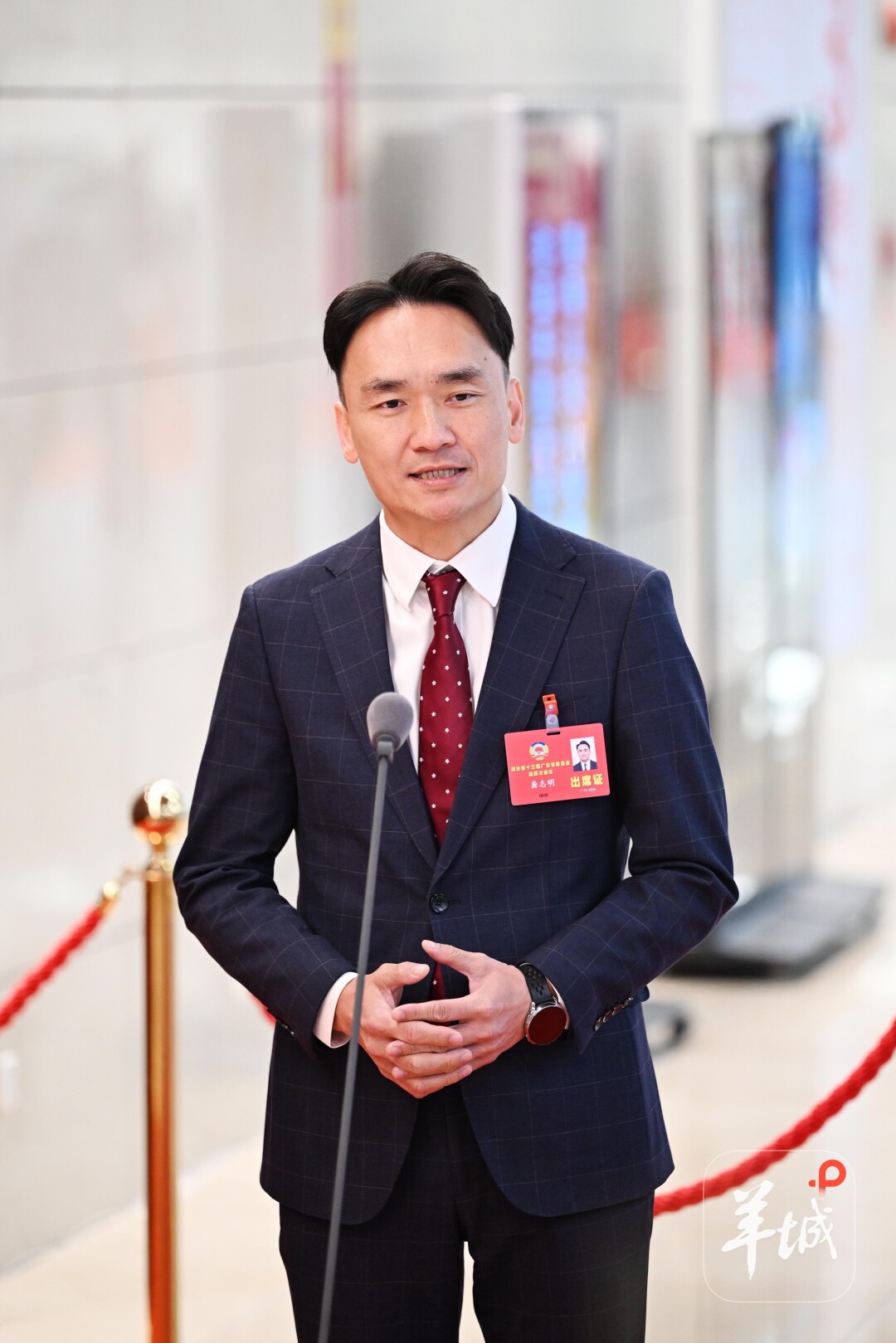
On the morning of January 25th, the fourth session of the 13th Guangdong Provincial Committee of the Chinese People's Political Consultative Conference (CPPCC)opened in Guangzhou. The first "Members' Corridor" of the session was launched at the same time. Six Guangdong CPPCC members from different sectors responded to public concerns on hot topics including AI, primary-level healthcare and the High-quality Development Project for Guangdong Counties, Towns and Villages (hereinafter referred to as the "High-quality Development Project").
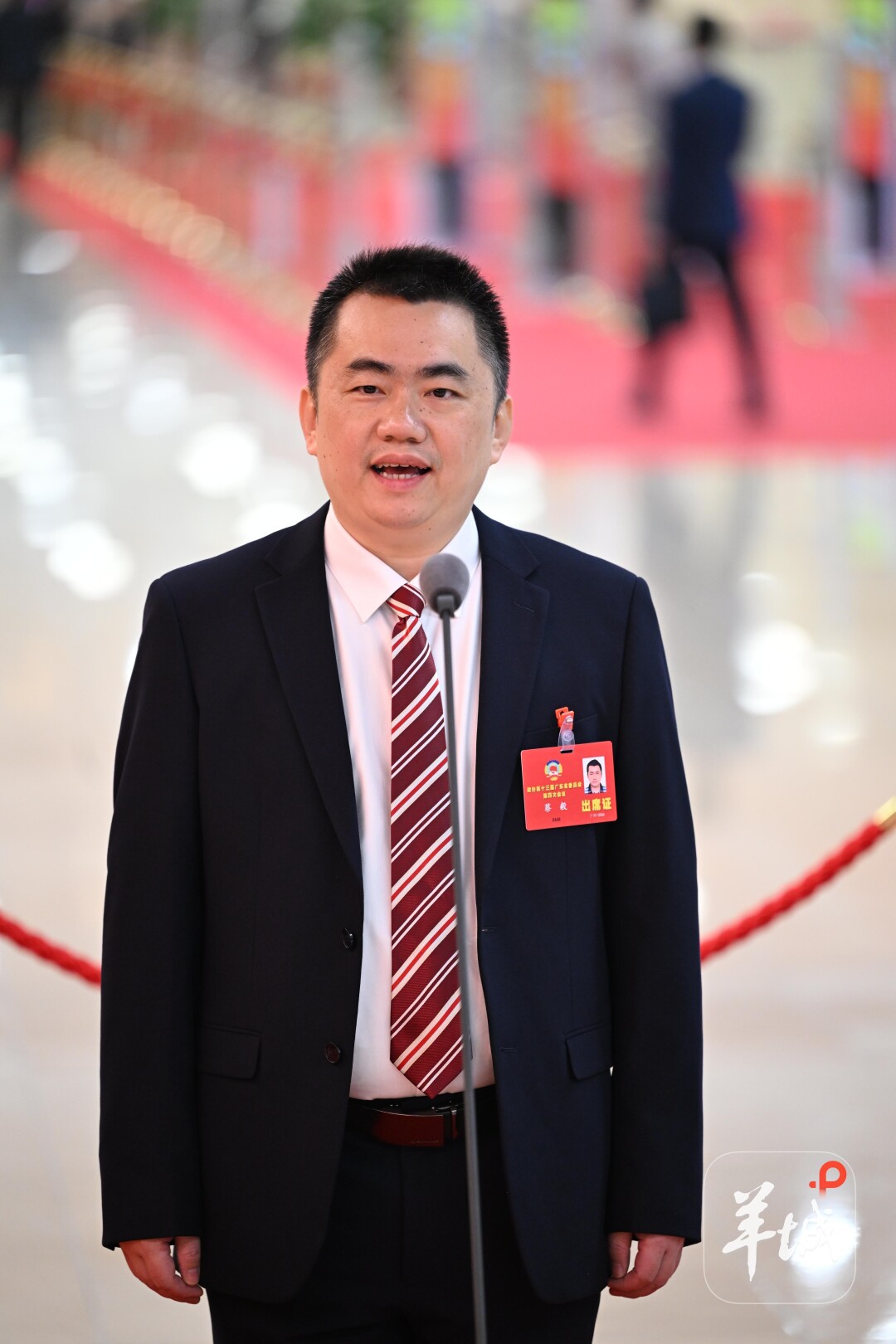
Cai Yi, a Guangdong CPPCC member, the Dean of the School of Software Engineering in South China University of Technology and the Director of the China Ministry of Education Key Laboratory of Big Data and Robotic Intelligence, called for stronger integration between AI and education to accelerate China's shift from a country with a large education system to a leading country in education. He suggested building platforms to promote in-depth cooperation among three key stakeholders: AI technology developers, educational content producers and learning service providers, forming a virtuous cycle in which "technology empowers education, education supports industry, and industry drives technology".
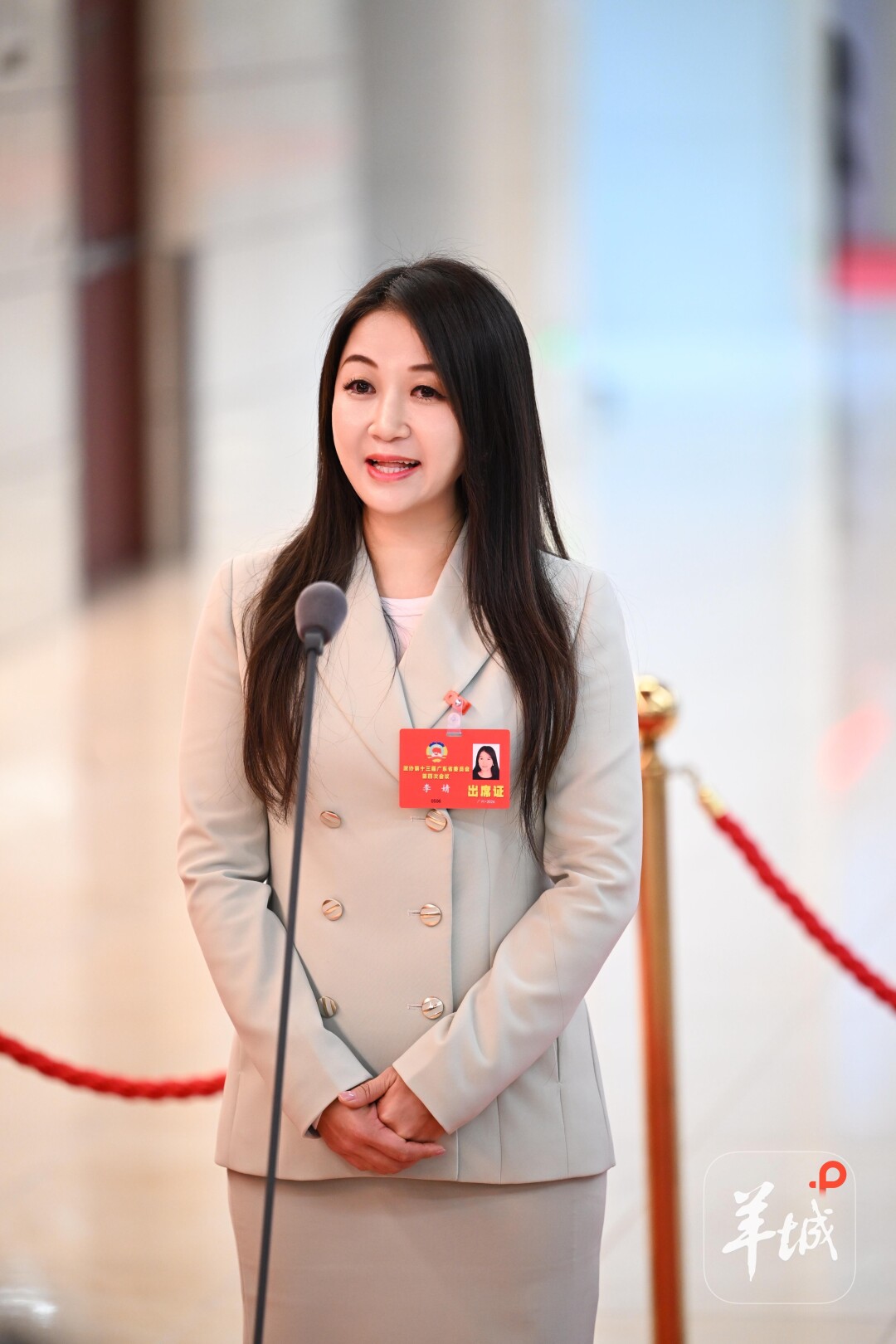
Li Jing, a Guangdong CPPCC member, a Standing Committee Member of the Guangdong Federation of Industry and Commerce and CEO of Guangdong Golden Aluminum Group, focused on vicious competition fueled by involution. She suggested strengthening targeted industrial policy guidance to provide enterprises with clear expectations and substantive support, steering them away from the "red ocean" of price wars to the "blue ocean" of value-based competition. She also proposed encouraging chain master enterprises to take the lead in forming innovation consortia with universities, research institutes and upstream and downstream small and medium-sized enterprises, while the government builds public technology service platforms to promote a shift from "going it alone" to "collaborative innovation".
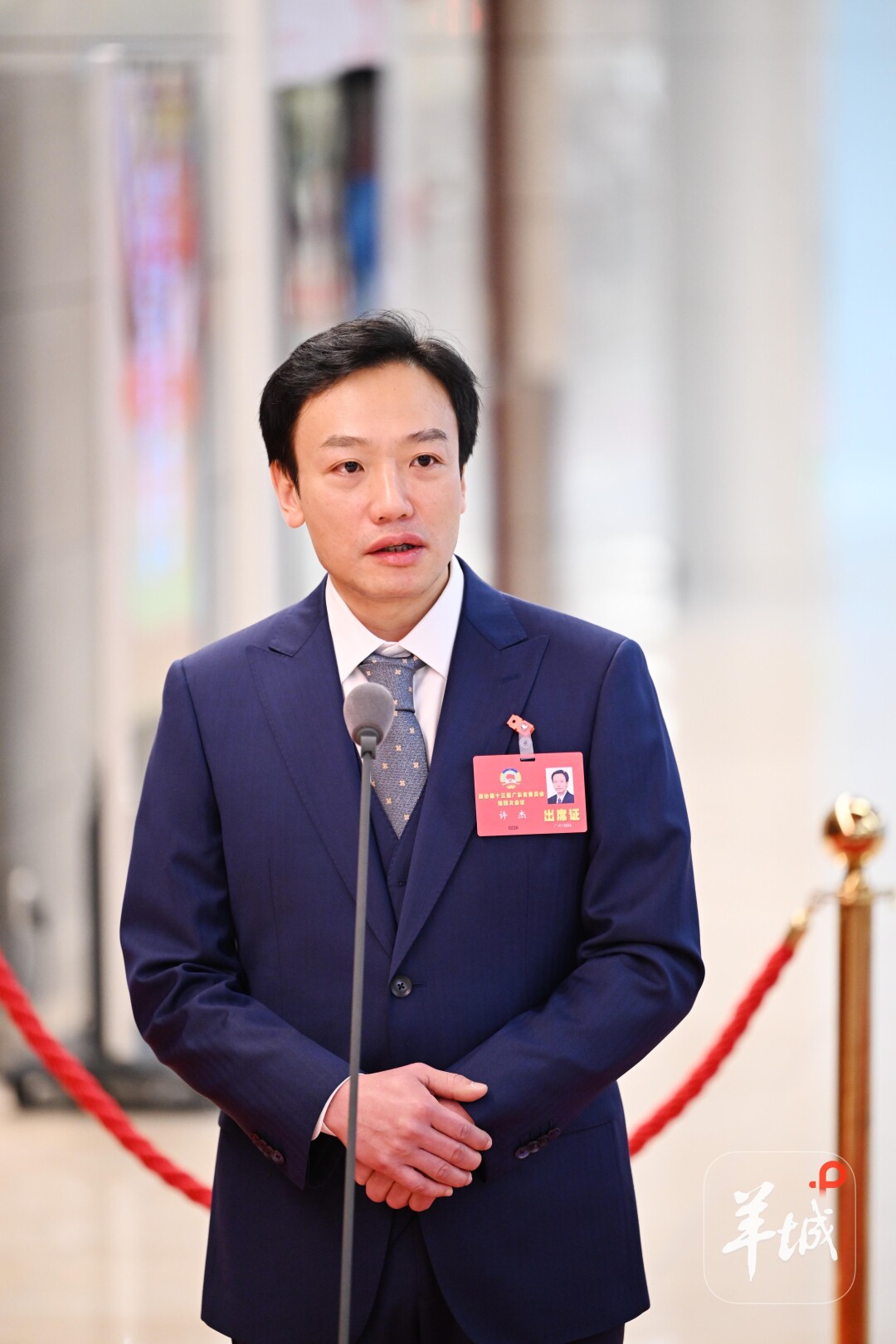
Xu Jie, a Guangdong CPPCC member and the Deputy Director of the Joint Surgery Department at Sun Yat-sen Memorial Hospital of Sun Yat-sen University, said that through years of providing free medical services at the grassroots level, he has witnessed steady improvements in long-standing problems such as limited access to medical care in mountainous areas and shortages of medicines and doctors at primary healthcare institutions. He suggested establishing a unified provincial pool of retired and experienced doctors and making targeted assignments of supporting doctors based on common and frequently occurring diseases at the county level and weak disciplines in grassroots hospitals. By adopting a model of "one doctor mentoring one specialty and one specialty strengthening frontline services", specialized clinics can be set up in counties to carry out mentoring and training, while experiences can be shared through online digital platforms.
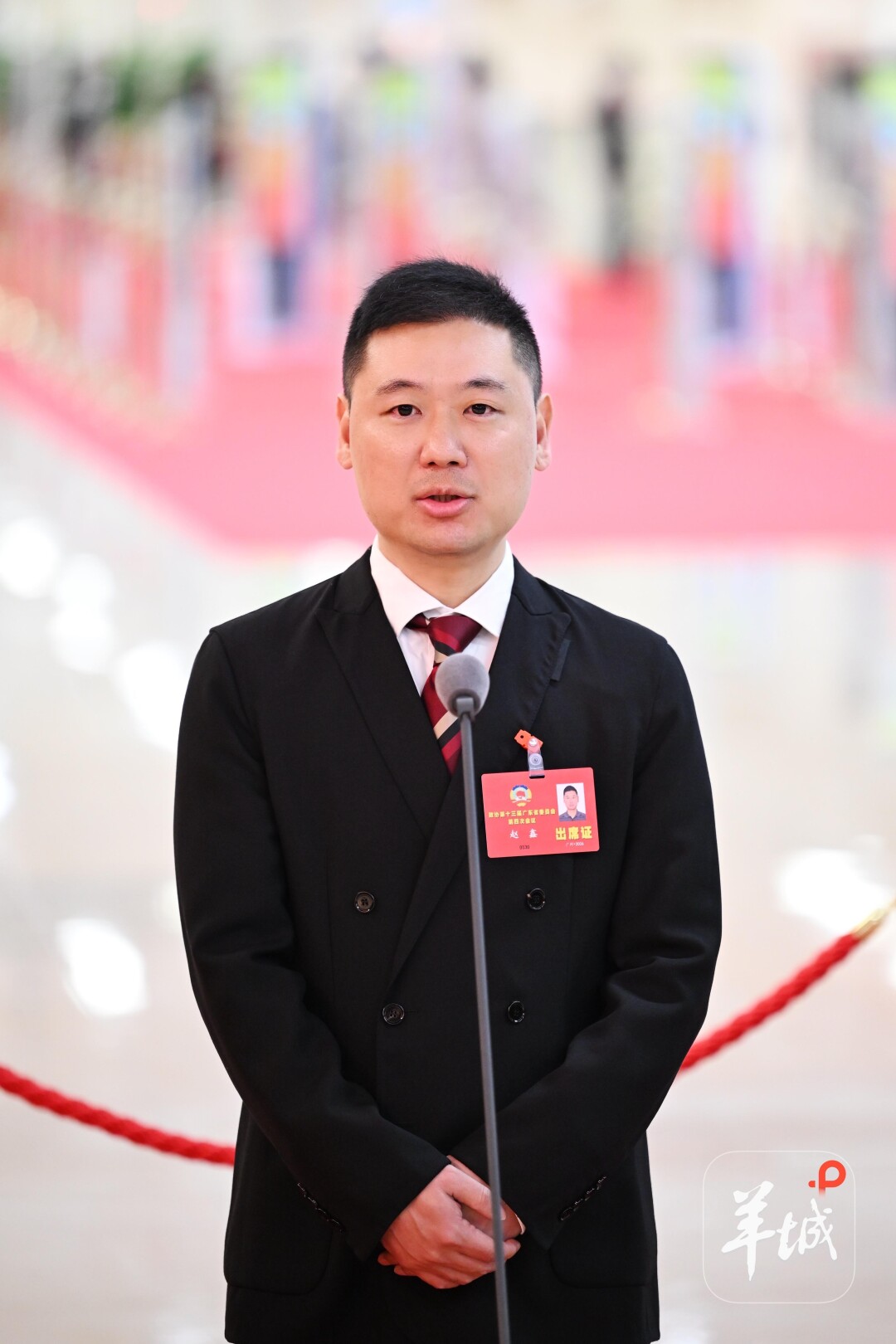
Zhao Xin, a Guangdong CPPCC member and Chairman of Guangzhou Cuifengyuan Agricultural Technology Co., Ltd., said it is timely and promising to use counties as pivot points to promote the development of the low-altitude economy across regions and build a high-quality coordinated pattern under the "High-quality Development Project". He suggested that cities launch pilot programs for early low-altitude flight applications on a county-by-county basis, focusing on new infrastructure, integrated industrial innovation and the expansion of application scenarios according to local resource endowments.
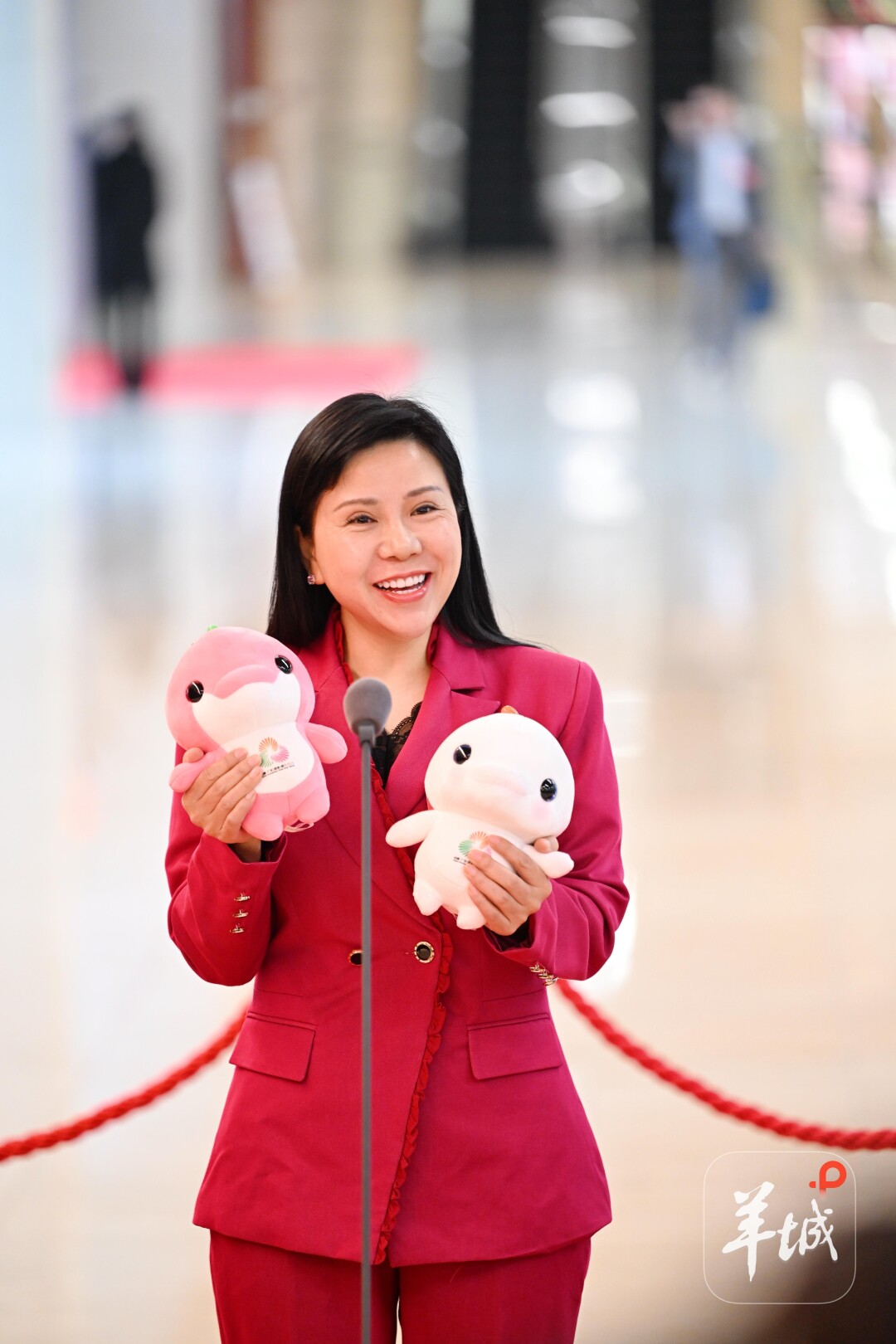
Wang Weihong, member of the Standing Committee of the Guangdong Provincial Committee of the China Association for Promoting Democracy and Director and General Manager of Guangdong Publishing and Printing Materials Co., Ltd., brought two "Greater Bay Chicken" mascots to the "Members' Corridor". She suggested systematically revitalizing Lingnan cultural treasures such as the lion dance, Yingge dance and Cantonese opera, and deeply integrating them with the IP assets of the 15th National Games including "Greater Bay Chicken" and "Ao Fish", in order to build and promote cultural brands of the Guangdong-Hong Kong-Macao Greater Bay Area (GBA) and jointly expand overseas to showcase the aesthetics of the GBA.
Gong Zhiming, Director of the Education and Youth Development Bureau of Macao Special Administrative Region (SAR), said that the Macao-Hengqin International Education (University) Town, with an investment of nearly 20 billion yuan, represents a pilot initiative for Hengqin-Macao integration in the field of higher education. He suggested introducing internationally renowned universities to promote cross-institution and cross-border sharing of teaching resources and research facilities, and building a full-chain system linking "on-campus research and development, off-campus incubation and industrial park commercialization", relying on key laboratories and technology transfer and transformation centers to accelerate the industrial application of scientific research achievements.